06 October 2026
Space and its cyber threats at the heart of the first Cyber Thursday of the season
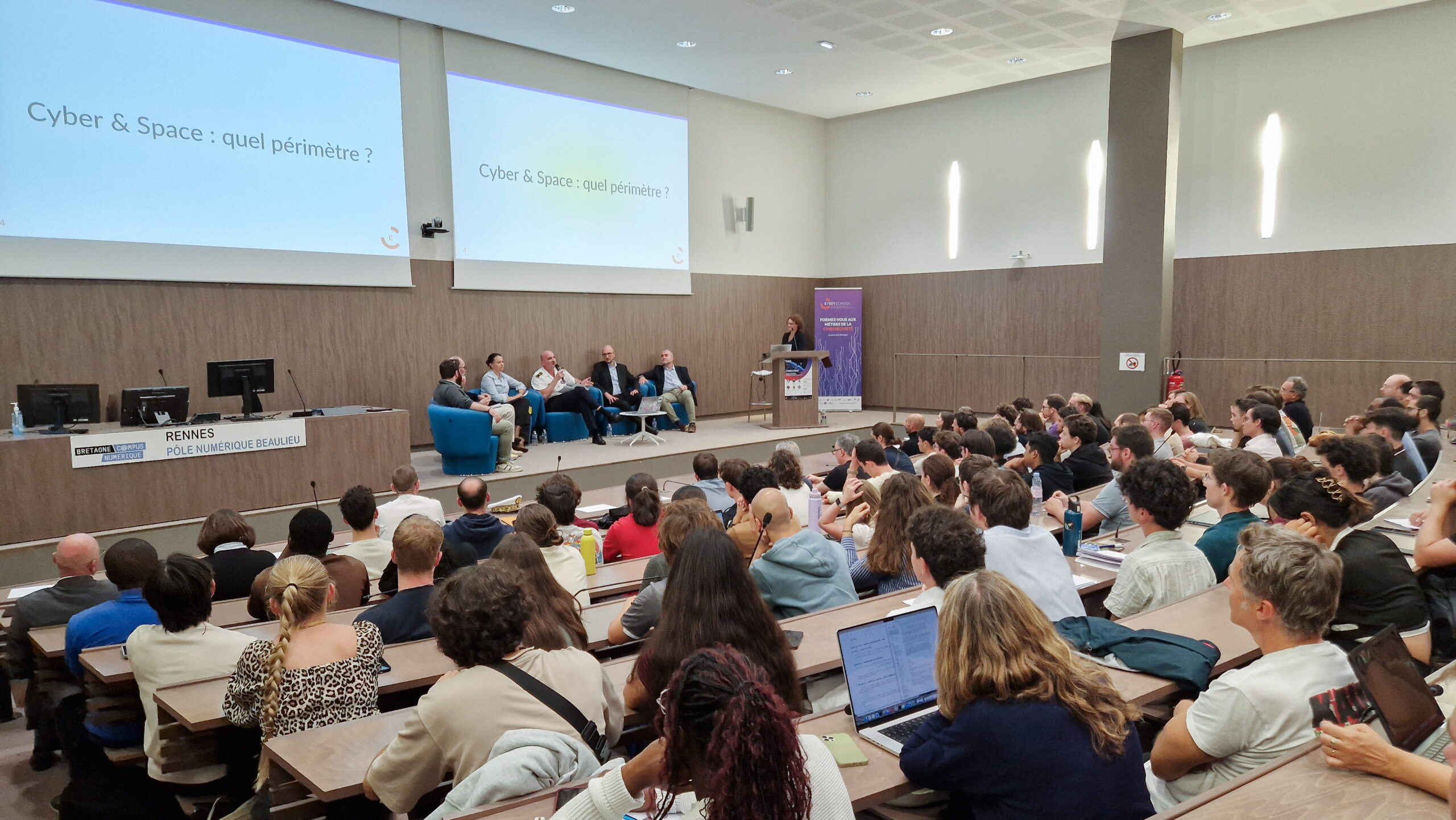
For its first event of the season, Cyber Thursday drew a full house for a topic that is reaching new heights: Space, a New Arena for Tension, Cooperation, Commercialisation and Cyber Threats.
From space innovation to the sector’s emerging challenges
To launch its third season, the evening began with a “Before” session dedicated to space innovation. Antoine Rescourio from OSMOS X introduced the challenge the company’s teams are well on their way to taking on: designing, manufacturing and operating reusable spacecraft equipped with disruptive ion propulsion technology. An innovation that could open up new possibilities for orbital mobility.
This presentation, connected to the broader challenges facing the space sector, highlighted an increasingly important reality: space is no longer simply a field for scientific exploration. It has become a strategic environment where public and private stakeholders, economic interests, sovereignty issues and emerging threats intersect.
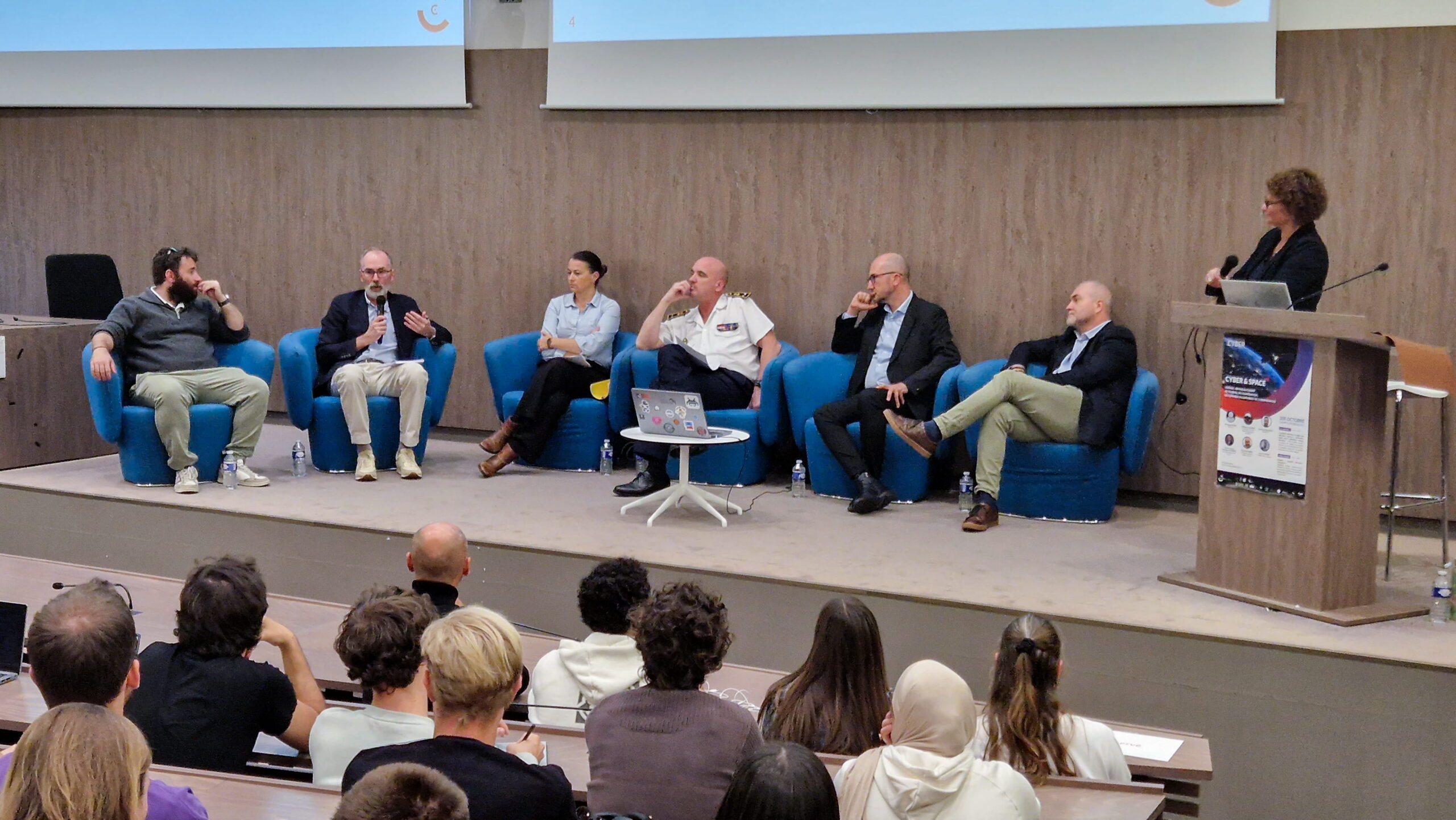
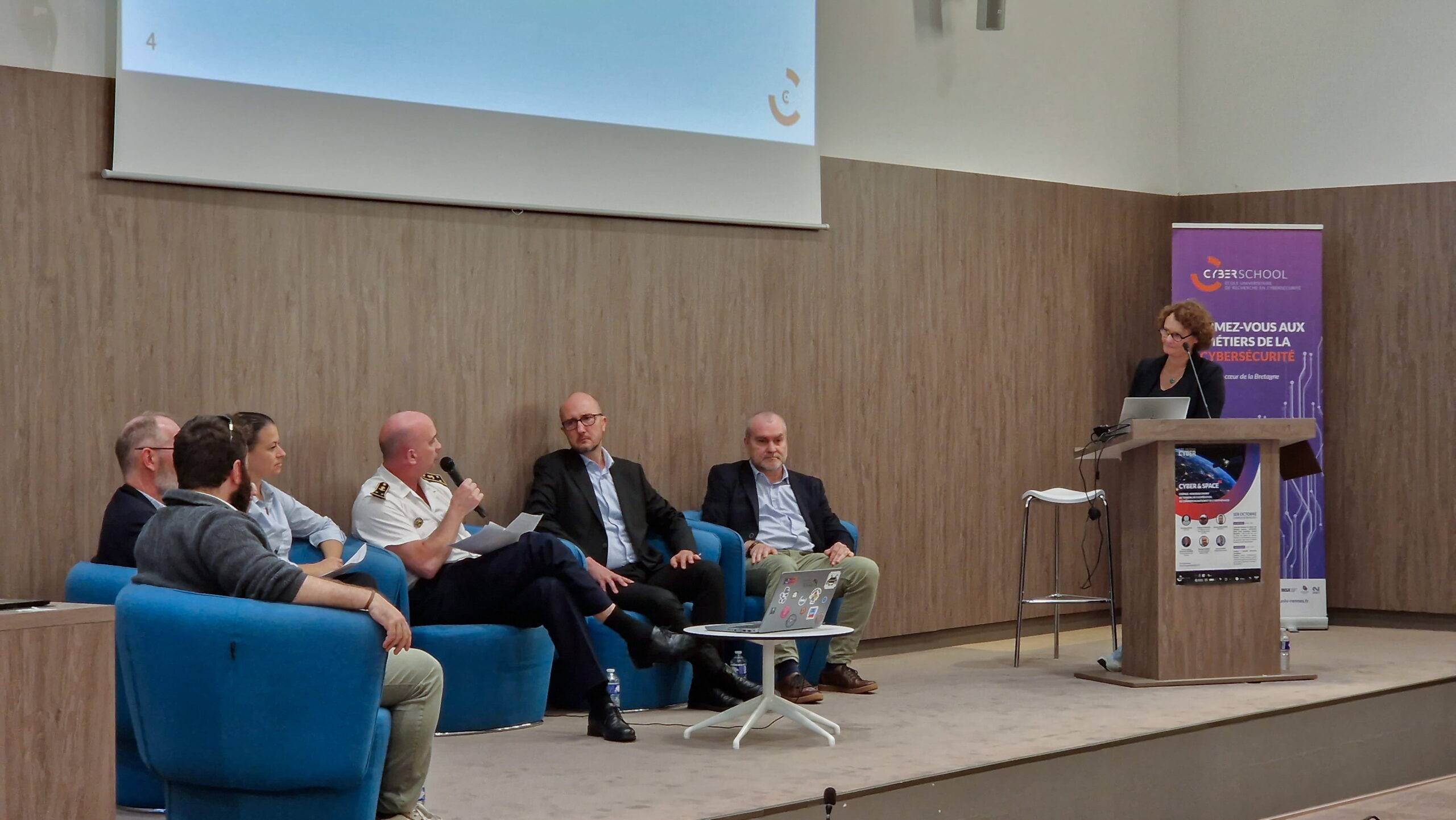
To explore these issues further, Antoine Rescourio was joined by Véronique Bour, from DGA MI, Philippe Charlier, from the EU Agency for the Space Programme (EUSPA), Rear Admiral Sébastien Goinere, from French Space Command, Thomas Hilbert, from the European Space Agency (ESA), and Xavier Levrat, from Thales Alenia Space. Their different perspectives helped bridge the gap between strategic thinking and the realities on the ground.
Cybersecurity, sovereignty and resilience: the major challenges facing the space sector
The discussions highlighted the growing threats facing space systems. The development of the sector and the growing number of uses for space are also making it an arena for cyber risks and geopolitical, strategic and military confrontation.
This evolution raises fundamental questions about the protection of space infrastructure. Satellites now provide essential services on Earth and serve both civilian and military purposes.
Space sovereignty is an integral part of this discussion. From Galileo and European cooperation initiatives to future launcher projects supported by the ESA, several initiatives demonstrate the ambition to strengthen European capabilities and maintain control over strategic capabilities in space.
Against this backdrop, the Security by Design principle takes on particular importance. Securing infrastructure located hundreds or even thousands of kilometres from Earth requires security to be integrated from the design stage and considered across the entire system.
This approach also relies on thorough risk analysis and the ability of systems to remain resilient in the face of failure or attack. This means identifying the critical functions of a mission, from the space segment to the ground segment, and assessing the potential impact of a compromise or failure on operational continuity. The level of protection can then be adapted to the risks identified and the functions that need to be safeguarded.
This approach to resilience also means anticipating tomorrow’s threats. Space systems must be able to evolve alongside technologies and new forms of attack, incorporating emerging challenges such as post-quantum cryptography from the outset.
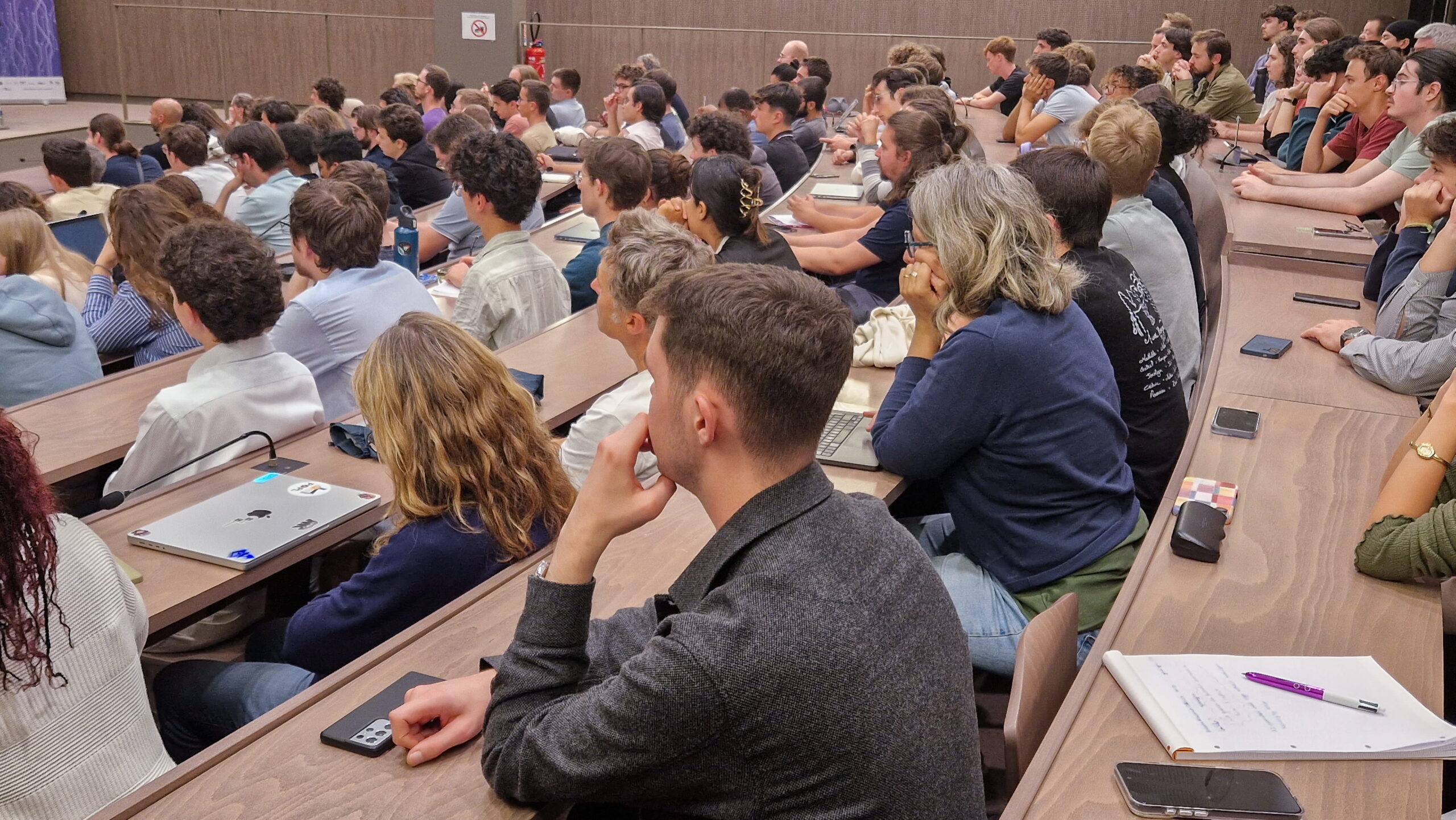
This first evening of season three once again embodied the spirit of Cyber Thursday: bringing together expertise, encouraging dialogue and creating opportunities for professionals to engage with the more than 100 students who attended.
The CyberSchool team would like to extend its warmest thanks to the six speakers for their availability, expertise and insightful contributions, as well as to everyone who helped make this first event of the season such a success.